What Is the US FDA? The Definitive Guide to FDA Certification, Registration, and US Import Compliance
Published: 8/27/2026Logistics News & Industry Insights· 8 min read
Table of Contents
- 1.Overview of the FDA: History, Mission, and Legal Authority
- 2.Scope of FDA Regulatory Jurisdiction: Regulated Product Categories
- Category A: Foods, Beverages, and Dietary Supplements
- Category B: Pharmaceuticals, Biologics, and Medical Devices
- Category C: Cosmetics and Personal Care Products
- Category D: Radiation-Emitting Electronic Products
- Category E: Veterinary and Tobacco Products
- Category F: Non-Food/Drug Public Health Controls
- 3.Demystifying Regulatory Jargon: FDA Approved vs. FDA Cleared vs. FDA Registered
- 4.Why FDA Compliance Is Vital for International Shipping & US Customs Clearance
- 1. Prevention of Import Refusals and Border Holds
- 2. Product-Specific vs. Facility-Wide Requirements
- 3. Global Trust and Market Acceptance
- 5.Step-by-Step Roadmap: How to Achieve FDA Compliance for US Exports
- 6.Frequently Asked Questions (FAQ)
- Does the FDA issue an official physical "FDA Certificate"?
- What happens if food arrives in the US without Prior Notice (PN)?
- Can individuals mail dried food or specialty snacks as personal gifts to relatives in the US?
- How often must FDA food facility registrations be renewed?
- What is a 510(k) Pre-market Notification for medical devices?
- 7.Conclusion & Next Steps for Exporters
Key Takeaway / Quick Definition:
The United States Food and Drug Administration (FDA) is a federal regulatory agency under the U.S. Department of Health and Human Services (HHS). It is responsible for protecting public health by regulating the safety, efficacy, and security of human and veterinary drugs, biological products, medical devices, food supplies, cosmetics, and radiation-emitting electronics. Any business exporting regulated goods to the United States must comply with mandatory FDA registration, labeling, and Prior Notice requirements before customs clearance.
Overview of the FDA: History, Mission, and Legal Authority
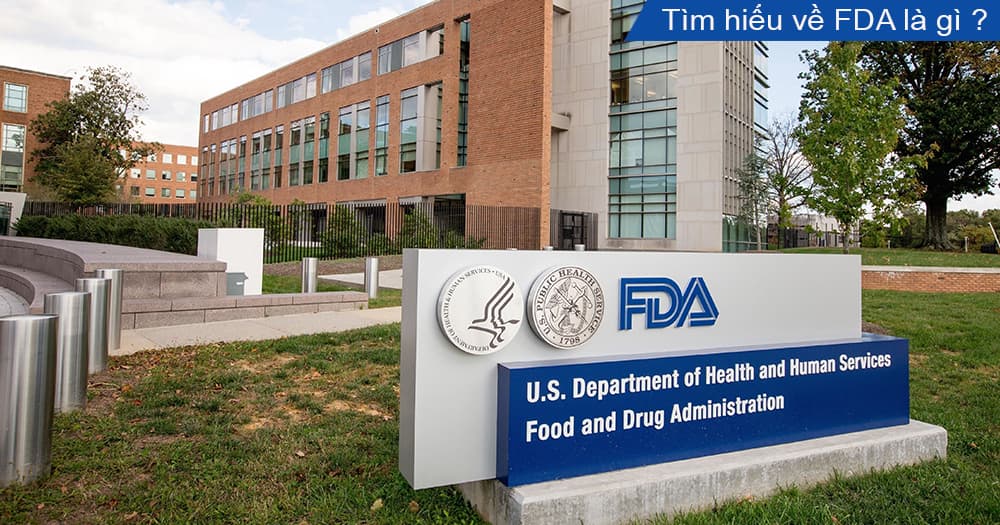
Established in June 1906 following the passage of the landmark Pure Food and Drugs Act, the US FDA is the oldest comprehensive consumer protection agency in the United States federal government. Headquartered in Silver Spring, Maryland (near Washington, D.C.), the agency operates under the Department of Health and Human Services (HHS).
The core mission of the FDA encompasses:
- Public Health Protection: Ensuring that foods are safe, wholesome, sanitary, and properly labeled; human and veterinary drugs, vaccines, and medical devices are safe and effective; and cosmetics and electronic radiation-emitting products are harmless.
- Public Health Advancement: Fostering innovations that make medicines and foods more effective, safer, and more affordable.
- Accurate Consumer Information: Ensuring the public gets the accurate, science-based information needed to use medicines, devices, and foods to maintain and improve health.
In addition to enforcing the Federal Food, Drug, and Cosmetic Act (FD&C Act), the FDA enforces provisions of the Public Health Service Act (specifically Section 361), which empowers the agency to prevent the introduction, transmission, and spread of communicable diseases across state borders and international boundaries.
Scope of FDA Regulatory Jurisdiction: Regulated Product Categories
The FDA regulates more than $2.8 trillion worth of food, medical products, and tobacco consumed annually by Americans. Its regulatory scope is systematically divided into distinct product categories:
Category A: Foods, Beverages, and Dietary Supplements
- Dietary supplements, vitamins, and minerals
- Bottled water, functional beverages, and food additives
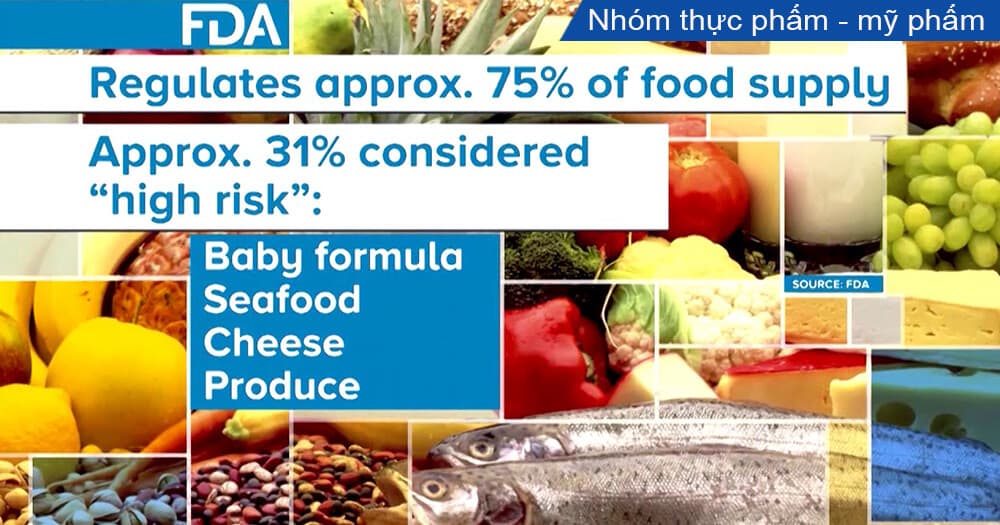
- Infant formula, medical foods, and conventional packaged foods
- Agricultural commodities, seafood, confectionery, dried foods, and seasonings
Category B: Pharmaceuticals, Biologics, and Medical Devices

- Prescription drugs and Over-the-Counter (OTC) medications
- Vaccines, blood products, and blood transfusion components
- Cell and gene therapies, tissue transplants
- Medical devices ranging from simple tongue depressors and dental instruments to complex implantable pacemakers and surgical robots
Category C: Cosmetics and Personal Care Products
- Color additives in makeup, lipsticks, and eye shadows
- Skin moisturizers, cleansers, serums, and body washes
- Perfumes, nail polishes, and hair care formulations
(Note: Products with therapeutic claims, such as anti-dandruff shampoos or SPF sunscreens, are dual-regulated as drugs and cosmetics.)
Category D: Radiation-Emitting Electronic Products
- Consumer appliances: Microwave ovens, tanning beds/sunlamps
- Medical and industrial equipment: Diagnostic X-ray systems, laser equipment, ultrasound instruments
- Commercial devices: CD/DVD players with laser diodes, mercury-vapor lighting
Category E: Veterinary and Tobacco Products

- Livestock feed, poultry feed, and pet food
- Veterinary pharmaceuticals and medical equipment for animals
- Cigarettes, smokeless tobacco, roll-your-own tobacco, and Electronic Nicotine Delivery Systems (ENDS / e-cigarettes)
Category F: Non-Food/Drug Public Health Controls
- Interstate travel sanitation (inspections of passenger aircraft, trains, and maritime vessels)
- Disease control on domestic and imported products
- Regulation of foreign animal companion imports and prevention of zoonotic disease outbreaks
Demystifying Regulatory Jargon: FDA Approved vs. FDA Cleared vs. FDA Registered
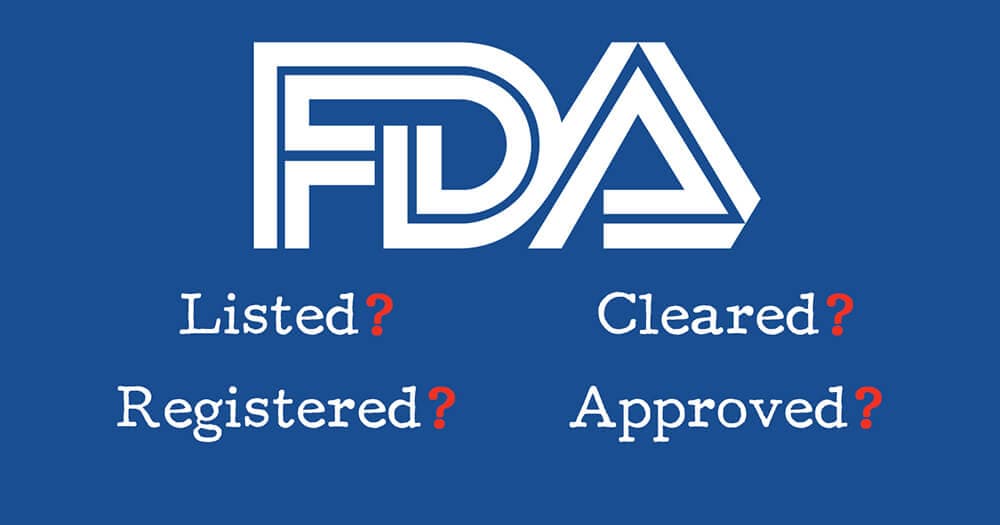
A frequent point of confusion among international exporters and consumers is the difference between “FDA Approved,” “FDA Cleared,” and “FDA Registered.” Understanding these legal distinctions is critical for regulatory compliance and compliant marketing claims.
| Regulatory Term | Applicable Product Types | Legal Meaning & Requirements | Official FDA Endorsement? |
|---|---|---|---|
| FDA Approved | High-risk medical devices (Class III), new prescription drugs, biologics, food additives | The FDA has conducted rigorous scientific review of clinical trial data and determined that the product’s clinical benefits outweigh its known risks for intended use. | Yes, product-level pre-market approval. |
| FDA Cleared | Moderate-risk medical devices (Class II), e.g., diagnostic equipment, surgical monitors | The manufacturer has submitted a 510(k) Pre-market Notification demonstrating the device is “substantially equivalent” to a legally marketed predicate device. | Yes, cleared for commercial marketing. |
| FDA Registered | Manufacturing facilities, food processing plants, packaging warehouses, cosmetic establishments | The facility has completed mandatory administrative registration. It indicates the facility is known to the FDA for inspection and tracking. | NO. FDA registration does NOT imply product approval, safety certification, or government endorsement. |
Important Compliance Note: The FDA strictly prohibits manufacturers from placing the official FDA logo on commercial packaging or claiming that the FDA has “approved” a food or cosmetic facility. Doing so is considered misbranding and can lead to immediate border detention.
Why FDA Compliance Is Vital for International Shipping & US Customs Clearance
When exporting goods to the United States (or transshipping via US borders), US Customs and Border Protection (CBP) and the FDA work in seamless coordination. Shipments subject to FDA jurisdiction cannot clear customs without full regulatory compliance.
1. Prevention of Import Refusals and Border Holds
Non-compliant shipments face immediate Customs Holds, Notice of FDA Action (Detention), and Import Alerts (e.g., automatic detention without physical examination). If violations are not rectified, goods will be destroyed or re-exported at the importer’s expense.
2. Product-Specific vs. Facility-Wide Requirements
A single FDA facility registration number does not automatically clear all products manufactured in that facility. Each specific shipment requires accurate product categorization and Prior Notice filing:
- Case Study Example: If an exporter ships a mixed consignment containing 10 kg (~22 lbs) of dried squid and 90 kg (~198 lbs) of dried shrimp (total 100 kg / ~220 lbs), distinct product codes, proper commercial invoices, and separate Prior Notice confirmations are legally required for both the squid and shrimp SKUs.
3. Global Trust and Market Acceptance
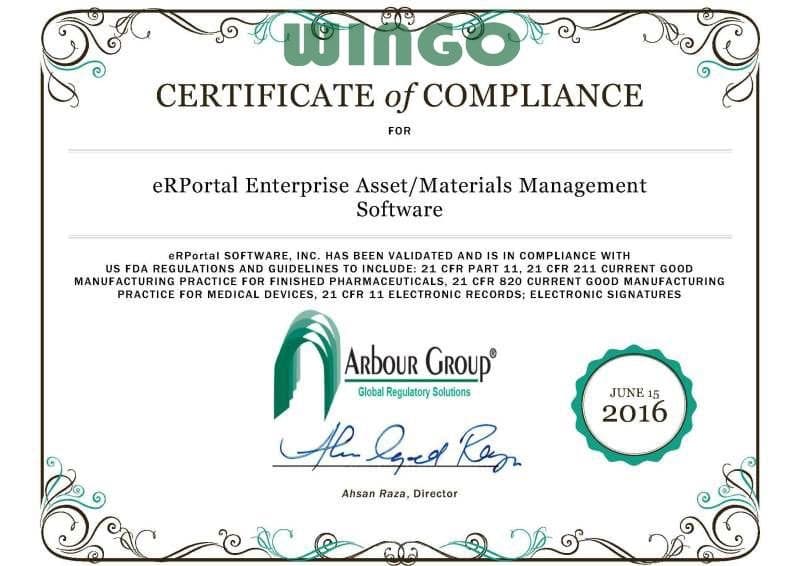
Holding verifiable FDA compliance certificates and facility registrations enhances brand reputation worldwide. Because FDA standards are recognized as among the most stringent globally, FDA-compliant goods enjoy elevated consumer trust in North American and international markets.
Step-by-Step Roadmap: How to Achieve FDA Compliance for US Exports
For foreign manufacturers, exporters, and logistics providers, achieving seamless FDA import compliance requires a structured 5-step roadmap:
- Step 1: Determine Your Exact Product Classification & Jurisdiction
Identify whether your product falls under Food (including dietary supplements), Cosmetic, Medical Device, Drug, or Electronic Radiation categories. Verify applicable Harmonized Tariff Schedule (HTS) codes and FDA product codes. - Step 2: Complete FDA Facility Registration & Appoint a US Agent
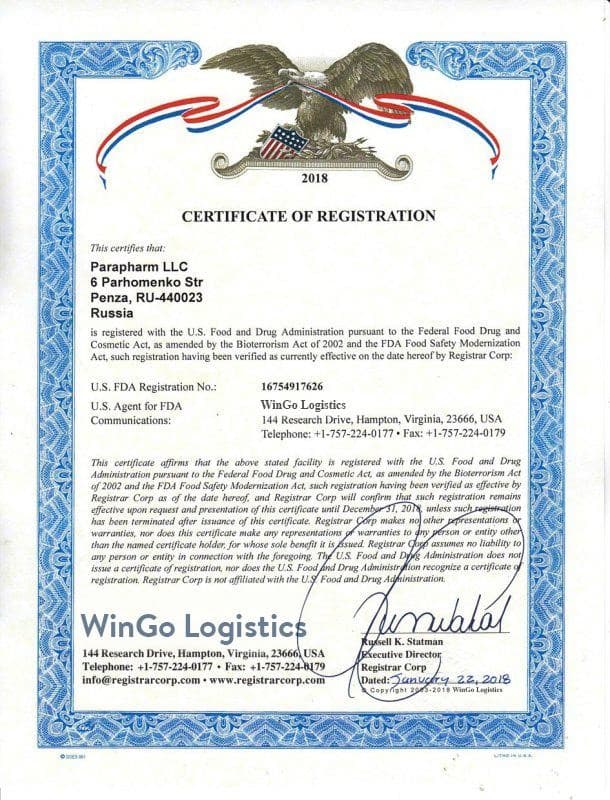
Foreign manufacturing and processing facilities must register with the FDA via the FDA Unified Registration and Listing Systems (FURLS). Foreign entities must formally designate a resident U.S. Agent who is physically present in the United States to act as the primary communication bridge with the FDA. - Step 3: Ensure Labeling, Packaging, and Ingredient Compliance
All labels must be in English and comply with mandatory FDA formatting:- Food: Nutrition Facts label, ingredient list in descending order of predominance, allergen declarations (Major Food Allergens per FALCPA/FASTER Act).
- Cosmetics: Ingredient declaration (INCI nomenclature), net quantity of contents, warning statements.
- Medical Devices: Unique Device Identifier (UDI), intended use instructions, contraindications.
- Step 4: Prepare Material Safety Data Sheets (MSDS) and Certificates of Analysis (CoA)
Certain chemical, cosmetic, biological, or hazardous products require detailed Material Safety Data Sheets (MSDS / SDS) and laboratory test results verifying the absence of prohibited additives, heavy metals, or biological contaminants. - Step 5: Submit Prior Notice (PN) Before Dispatch
Under the Public Health Security and Bioterrorism Preparedness and Response Act of 2002, Prior Notice must be submitted electronically to the FDA before the shipment arrives at the US port of entry (within strict timeframes depending on transit mode: 2 hours for road, 4 hours for rail/air, 8 hours for ocean freight).
Frequently Asked Questions (FAQ)
Does the FDA issue an official physical “FDA Certificate”?
No. The FDA does not issue physical “FDA Certificates” or paper diplomas to food facilities or cosmetic manufacturers. Third-party agencies or consultants often provide private “Certificates of Registration” to confirm that a facility registration number was generated, but the FDA itself does not endorse or issue paper certificates.
What happens if food arrives in the US without Prior Notice (PN)?
Shipments arriving without valid Prior Notice confirmation will be refused entry at the port of arrival and placed in secure storage (at the carrier’s or importer’s expense) until Prior Notice is properly resolved. Continued failure to comply results in mandatory re-export or destruction.
Can individuals mail dried food or specialty snacks as personal gifts to relatives in the US?
Yes, but personal food gifts sent by international mail or express courier still require Prior Notice (PN) registration and must not contain prohibited ingredients (such as meat products from specific animal disease outbreak zones).
How often must FDA food facility registrations be renewed?
Under the Food Safety Modernization Act (FSMA), food facility registrations must be renewed every two years, between October 1 and December 31 of each even-numbered year.
What is a 510(k) Pre-market Notification for medical devices?
A 510(k) is a comprehensive regulatory submission made to the FDA to demonstrate that a new medical device is substantially equivalent (in safety and effectiveness) to a legally marketed predicate device in the United States.
Conclusion & Next Steps for Exporters
Navigating FDA compliance is not just a regulatory hurdle – it is a vital gateway to accessing the world’s most lucrative consumer market. By ensuring timely facility registration, thorough labeling reviews, U.S. Agent representation, and accurate Prior Notice filings, exporters can eliminate customs bottlenecks and scale their international business with confidence.
Was this article helpful to you?
0.0 / 5 (0 lượt đánh giá)